Source racing motorcycle coat for racing, cycling, and outdoor activities
Compare 24 racing motorcycle coat options from verified suppliers in China. Buyers can evaluate features like waterproofing, breathability, and customization for racing, cycling, and outdoor activities.
Key considerations
Products List


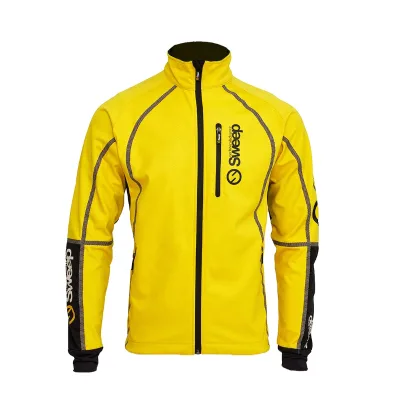
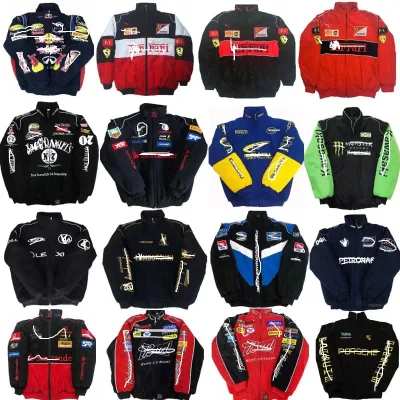
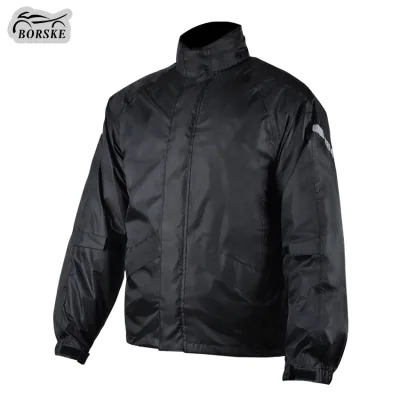
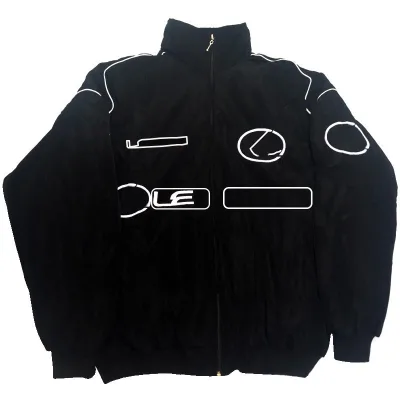




Comprehensive Sourcing Guide
Strategic Sourcing Guide for Racing Motorcycle Coats
Understanding Technical Specifications and Material Composition
When sourcing a racing motorcycle coat, the primary focus must be on the technical specifications that define the garment's protective capabilities and durability. The core material composition is a critical determinant of performance. Based on available market data, the predominant material used in these products is 100% polyester. This synthetic fiber is selected for its high tensile strength, resistance to abrasion, and ability to maintain structural integrity under the stress of high-speed riding. The shell material is consistently identified as 100% polyester across various listings, ensuring a uniform baseline for durability.
Beyond the base fabric, the functional attributes of the coat are paramount. The most frequently observed feature set includes a combination of windbreak, waterproof, and breathable properties. These three characteristics work in tandem to protect the rider from environmental elements while managing body temperature and moisture. A waterproof coating or membrane is essential for rain protection, while breathability prevents the accumulation of sweat during intense physical exertion. The windbreak feature is equally vital for maintaining thermal comfort at high velocities.
The construction of the coat also varies in terms of closure types and design elements. Zipper closures are the standard mechanism, providing a secure seal against wind and water. Some designs incorporate a stand collar to offer additional neck protection. The fit is generally described as true to size, allowing riders to select their normal size without significant alteration, though some models offer a range of sizes from Small to 2XL. The clothing length is typically regular, ensuring coverage of the torso without impeding movement.
| Attribute Category | Observed Specification | Functional Implication |
|---|---|---|
| Material | 100% Polyester | High durability, abrasion resistance, quick drying |
| Key Features | Windproof, Waterproof, Breathable | Protection from elements, moisture management |
| Closure Type | Zipper | Secure fastening, wind seal |
| Collar Style | Stand Collar | Enhanced neck protection |
| Fit | True to Size | Predictable sizing, minimal alteration needed |
| Pattern Types | Solid, Camouflage | Aesthetic variety for personal preference |
| Season | Spring | Suitable for moderate temperature ranges |
It is important to note that while these specifications are common, they are observations of specific product listings rather than universal guarantees for every item in the category. Buyers must verify these attributes against the specific datasheet of the supplier they intend to engage.
Compliance, Certification, and Safety Standards
In the realm of motorcycle racing gear, compliance with safety standards is non-negotiable. While specific test results and certification statuses for individual products in the current dataset are not explicitly confirmed, industry knowledge points to the existence of critical standards such as EN 17092 and EN 13595. These standards govern the performance of protective clothing for motorcyclists, covering aspects like abrasion resistance, tear strength, and impact protection.
Buyers should approach certification with a rigorous verification mindset. The presence of a "CE" mark is a common indicator of conformity with European safety directives, but it does not automatically guarantee compliance with specific motorcycle racing standards without further documentation. The background data suggests that certifications like CE, EN 17092, and EN 13595 are relevant to this category, but their application must be confirmed on a per-product basis.
When evaluating a supplier, request specific documentation proving that the racing coat meets the required safety standards for the intended market. For racing applications, the garment often needs to meet higher thresholds than standard street riding gear. Verify that the supplier can provide test reports from accredited laboratories that validate the claims of windproofing, waterproofing, and abrasion resistance. Do not rely solely on marketing claims; demand third-party verification. If the product is intended for professional racing circuits, ensure that the specific standard required by the governing body (such as FIM or national motorsport associations) is met.
Cost Drivers and Pricing Dynamics
The pricing of racing motorcycle coats is influenced by a complex interplay of factors, including material quality, manufacturing complexity, and customization requirements. The observed price range in the market spans from 4 USD to 125 USD, indicating a significant variance in product positioning. This wide range suggests that buyers can find options for different budget tiers, but the price point often correlates with the level of protection and feature set.
Several key drivers influence the final cost. First, the material composition plays a role; while 100% polyester is standard, the density, weave, and any added laminates or coatings can affect the price. Second, the complexity of the design, such as the inclusion of specialized pockets, custom logos, or unique printing methods like heat-transfer printing, adds to the manufacturing cost. Third, the level of customization available is a major cost factor. Products offering custom designs, logos, and specific packing requirements typically command higher prices due to the additional setup and labor involved.
The Minimum Order Quantity (MOQ) is another critical cost driver. The observed MOQ ranges from 1 piece to 3000 pieces. For buyers with smaller volume needs, the unit cost will be significantly higher due to the fixed costs of setup and production. Conversely, larger orders can leverage economies of scale to reduce the per-unit cost. Some listings specify an MOQ of 300 pieces per color, which is a common threshold for custom production runs. Buyers must balance their inventory needs against their budget constraints to determine the optimal order size.
Typical Applications and Usage Scenarios
Racing motorcycle coats are designed for specific high-performance environments. The primary usage scenarios identified include racing, cycling, and general outdoor activities. The design intent is to provide protection and comfort in dynamic, high-speed settings where exposure to wind, rain, and potential abrasion is a constant risk.
The "racing" application is the most critical, implying that the coat must withstand the rigors of track use. This includes protection from wind chill at high speeds and the potential for sliding on the track surface. The "cycling" usage indicates versatility, suggesting that the coat may also be suitable for high-intensity bicycle racing where aerodynamics and weather protection are essential. Additionally, the "outdoor activity" classification broadens the scope to include general riding or touring where weather conditions can change rapidly.
The seasonal suitability is noted as "Spring," which suggests that these coats are optimized for moderate temperatures. They may not be sufficient for extreme winter conditions without additional thermal layers, nor are they designed for scorching summer heat, relying instead on breathability to manage warmth. The gender specification is primarily "Men," though "Unisex" options are also available, indicating that the sizing and cut are generally adaptable. The target demographic is adults, ensuring that the fit and protection levels are appropriate for mature riders.
Supplier Evaluation and Sourcing Strategy
Selecting the right supplier is a decisive step in the procurement process. The sourcing landscape for racing motorcycle coats includes manufacturers from various locations, with Taian, Shandong, and Jiangsu, China, being prominent origins. These regions have established textile and garment manufacturing ecosystems capable of producing high-volume, specialized apparel.
When evaluating potential suppliers, buyers should prioritize those who offer customization services. The availability of custom designs, logos, and specific packing requirements is a strong indicator of a supplier's flexibility and capability to meet unique brand needs. Look for suppliers who explicitly state "Customization: Available" and provide clear options for branding.
The production capacity and lead times are also critical factors. While specific lead times are not provided in the current data, the MOQ ranges suggest that suppliers can handle orders from single pieces to large batches of 3000 units. Buyers should inquire about the supplier's ability to scale production to meet demand spikes. Additionally, the shipping methods, such as air freight, should be considered based on the urgency of the order and the total logistics cost.
| Evaluation Criterion | Key Question for Supplier |
|---|---|
| Origin Location | Is the factory located in a known textile hub (e.g., Shandong, Jiangsu)? |
| Customization | Can you provide custom logos, designs, and specific packing? |
| Material Verification | Can you provide a mill certificate for the 100% polyester shell? |
| MOQ Flexibility | What is the MOQ for custom colors and designs? |
| Shipping Options | Do you offer air freight and what are the associated lead times? |
Quality Control and Inspection Protocols
Implementing a robust quality control (QC) protocol is essential to ensure that the received goods meet the specified standards. Given the wide range of observed specifications, buyers must define clear acceptance criteria before production begins. The QC process should cover material verification, dimensional accuracy, and functional testing.
Material verification involves confirming that the shell is indeed 100% polyester and that the fabric density meets the required specifications. Dimensional accuracy checks should ensure that the sizing (S, M, L, XL, 2XL) aligns with standard size charts and that the fit is true to size as claimed. Functional testing is crucial for verifying the windproof, waterproof, and breathable properties. Buyers should request sample testing reports or conduct their own tests to validate these claims.
Packaging quality is another aspect of QC. The observed packing methods include 1PC/Polyester, 1PC/Polybag, or 8-10 PCS/CTN, with options for custom requirements. Ensure that the packaging protects the garments during transit and meets any specific branding or labeling needs. The single package size and gross weight (e.g., 60x40x40 cm, 11.0 kg) should be verified to ensure they align with logistics planning and storage requirements.
Long-Term Procurement Considerations
Sourcing racing motorcycle coats is not a one-time transaction but part of a long-term supply chain strategy. Buyers should consider the scalability of the supplier relationship, the consistency of product quality over time, and the ability to adapt to changing market demands. The availability of customization allows for brand differentiation, which is a key competitive advantage in the racing gear market.
Long-term considerations also include the management of inventory and the lifecycle of the product. With an MOQ range of 1 to 3000, buyers can start with small test orders to validate the product and supplier before committing to larger volumes. This approach minimizes risk and allows for iterative improvements based on customer feedback.
Furthermore, the evolving nature of safety standards and consumer expectations requires a proactive approach to procurement. Stay informed about updates to standards like EN 17092 and EN 13595 to ensure that future orders remain compliant. Building a strong relationship with a supplier who is responsive to these changes and committed to continuous improvement will be invaluable for long-term success in the racing motorcycle coat market. By focusing on technical specifications, compliance, cost drivers, and quality control, buyers can build a resilient and effective sourcing strategy.
FAQs
What material is used for racing motorcycle coats?
The shell material is consistently 100% polyester across listings. This synthetic fiber provides high tensile strength and abrasion resistance suitable for high-speed riding environments.
Can buyers request custom designs and logos?
Yes, customization is available for designs, logos, and packing requirements. Suppliers often allow specific branding and unique patterns like camouflage or solid colors to meet brand needs.
What are the key protective features of these coats?
Coats typically feature windproof, waterproof, and breathable properties. These attributes work together to protect riders from environmental elements while managing body temperature during intense activity.
Which sizes are available for these racing jackets?
Available sizes range from Small to 2XL, including S, M, L, XL, and 2XL options. The fit is generally true to size, allowing riders to select their normal size.
How does the minimum order quantity affect pricing?
The MOQ ranges from 1 piece to 3000 pieces depending on the supplier. Larger orders often leverage economies of scale to reduce the per-unit cost compared to single-item purchases.
Where are these racing coats typically manufactured?
Products originate from manufacturing hubs in Taian, Shandong, and Jiangsu, China. These regions have established textile ecosystems capable of producing specialized garment apparel for the racing market.
What closure types are standard on these jackets?
Zipper closures are the standard mechanism used for secure fastening. This design provides a reliable seal against wind and water while ensuring ease of use for the rider.